



2026 Mazda CX-50 Hybrid vs. 2026 Subaru Forester Hybrid
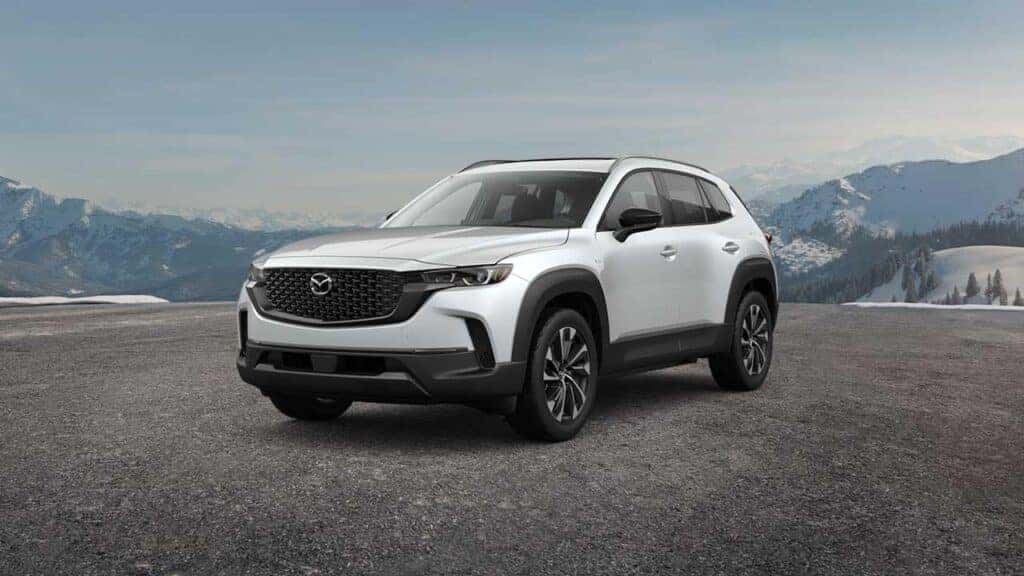
If you’re shopping for a hybrid compact SUV in Central Florida, the 2026 Mazda CX-50 Hybrid and the 2026 Subaru Forester Hybrid are two of the most compelling “do-everything” options. Both aim to cut fuel stops without sacrificing everyday practicality, all-wheel-drive confidence in heavy Florida rain, and the comfort you want for I-4 commutes or weekend runs to the coast.
The big difference is personality. The CX-50 Hybrid leans into Mazda’s more athletic, premium-feeling vibe, while the Forester Hybrid focuses on airy space, visibility, and Subaru’s outdoors-first usability.
At-a-glance specs
Mazda CX-50 Hybrid highlights: 2.5L hybrid, up to 219 hp, EPA-est. 39 city / 37 highway / 38 combined mpg, three trims (Preferred, Premium, Premium Plus).
Subaru Forester Hybrid highlights: 2.5L boxer hybrid, 194 total hp, EPA-est. 35 city / 34 highway / 35 combined mpg, standard AWD, range up to 581 miles (Subaru).
Key numbers to know:
| Category | 2026 Mazda CX-50 Hybrid | 2026 Subaru Forester Hybrid |
|---|---|---|
| Total system horsepower | Up to 219 hp | 194 hp |
| EPA-est. fuel economy | 39 / 37 / 38 mpg (city/hwy/comb) | 35 / 34 / 35 mpg (city/hwy/comb) |
| Driving range | Mazda notes “over 100 miles” more range vs. non-hybrid CX-50 models (methodology per fueleconomy.gov) | Up to 581 miles (Subaru) |
| Towing capacity | Up to 1,500 lbs | 1,500 lbs |
| Cargo volume (behind 2nd row / max) | 29.2 cu ft / 56.3 cu ft | 27.5 cu ft / 69.1 cu ft |
| Ground clearance | 7.8 in (8.1 in on Hybrid Premium) | 8.7 in |
Powertrain feel and everyday driving
The CX-50 Hybrid uses a 2.5-liter 4-cylinder paired with electric motors for up to 219 hp, and Mazda specifically calls out the goal of keeping “Mazda signature driving dynamics” even with the hybrid hardware. It’s also helpful to know how the system behaves: Mazda describes it as a full hybrid that can propel the vehicle electrically at low speeds and uses a rear motor to power the rear wheels when the electronic AWD system is engaged.
The Forester Hybrid takes a different route: a 2.5-liter boxer four-cylinder plus two electric motors with Subaru Symmetrical All-Wheel Drive and a CVT, producing 194 total system horsepower. In real life, that usually translates to smooth, predictable response and an easygoing character—especially useful if your “daily drive” includes school drop-offs, parking garages, and stop-and-go traffic around Orlando.
If you want the hybrid SUV that feels more “driver’s seat first,” the CX-50 Hybrid tends to be the one people gravitate toward. If you prefer a calm, straightforward, visibility-forward driving experience, the Forester Hybrid checks that box.
MPG and range for Florida commuting
On paper, the CX-50 Hybrid leads on efficiency with an EPA-estimated 39 city / 37 highway / 38 combined mpg. Subaru’s Forester Hybrid is EPA-estimated at 35 city / 34 highway / 35 combined mpg (with 2026 expected to be similar to 2025).
Range is where Subaru makes a big marketing point: Subaru says the Forester Hybrid can go up to 581 miles on a full tank. Mazda doesn’t present a single “max range” figure on the same page sections, but does emphasize increased range versus non-hybrid CX-50 powertrains.
For many Orlando-area drivers, that means:
-
CX-50 Hybrid: fewer fuel stops week-to-week if your routine is heavy on city driving and short hops.
-
Forester Hybrid: an excellent road-trip mindset if you like the idea of longer stints between fill-ups.
AWD, ground clearance, and light off-road capability
Both vehicles come standard with AWD, which matters when Florida weather goes sideways and the roads get slick fast.
The CX-50 Hybrid rides with 7.8 inches of ground clearance (8.1 inches on the Hybrid Premium) and includes Mi-Drive with Power and Trail modes on trims like the Hybrid Preferred. That’s a nice setup for sandy trailheads, muddy parking areas, or just getting to your campsite without feeling precious about it.
The Forester Hybrid posts 8.7 inches of ground clearance and includes X-Mode with Hill Descent Control (plus multiple terrain settings), reinforcing that it’s built for “go explore” weekends.
Towing is a tie at 1,500 pounds for both—perfect for small utility trailers, lightweight gear, or a couple of jet skis.
Interior space, cargo, and day-to-day usability
This is where the decision often gets real.
Mazda lists 29.2 cu ft behind the rear seats and up to 56.3 cu ft with the rear seats folded for the CX-50 Hybrid. Subaru lists 27.5 cu ft behind the second row and 69.1 cu ft with the rear seat folded in the Forester Hybrid, which is a big advantage if you’re regularly hauling bulky items.
Practical takeaway:
-
CX-50 Hybrid: plenty for groceries, strollers, and weekend bags, with a more “cockpit” vibe up front.
-
Forester Hybrid: stronger “boxy utility” when you start stacking bins, sports gear, or bigger DIY-store runs.
Tech and safety: what you get without overthinking it
Mazda includes Wireless Apple CarPlay and Android Auto integration and Alexa Built-in as standard on CX-50 Hybrid models, plus a trial of Mazda Connected Services (features like vehicle status and remote engine start are part of the suite). Mazda also highlights its i-Activsense safety tech, with standard items like Blind Spot Monitoring, Lane Departure Warning, and Rear Cross Traffic Alert.
Subaru counters with its well-known EyeSight driver-assist tech and a strong tech stack depending on trim. In the Forester Hybrid coverage, standard/available items called out include EyeSight with newer assist features, an 11.6-inch touchscreen navigation system, a 12.3-inch digital gauge cluster, Blind-Spot Detection with Rear Cross Traffic Alert, and X-Mode.
On safety accolades, Mazda notes the 2026 CX-50 Hybrid and CX-50 earned a 2025 IIHS Top Safety Pick+ award (and that Mazda led brands in TSP+ awards as of August 2025).
Pricing and trims: choosing the right one
Mazda puts the CX-50 Hybrid’s starting MSRP at $34,750 and lists three trims with clear step-ups: Hybrid Preferred ($34,750), Hybrid Premium ($38,150), and Hybrid Premium Plus ($40,450).
Subaru’s Forester Hybrid pricing cited in coverage begins at $34,995 (plus freight), with trims that climb through Premium, Sport, Limited, and Touring. Car and Driver also notes the 2026 Forester Hybrid carries over with no changes from the 2025 model they tested.
Which hybrid SUV should you buy?
Pick the 2026 Mazda CX-50 Hybrid if you want:
-
better EPA mpg ratings and a more “Mazda-like” driving feel
-
a slightly more premium, tech-forward cabin experience (including Alexa Built-in)
-
a clean trim walk that tops out with Premium Plus features and styling
Pick the 2026 Subaru Forester Hybrid if you want:
-
more maximum cargo room for big hauls (69.1 cu ft max)
-
more ground clearance (8.7 in) and Subaru’s X-Mode approach to light trails
-
the longest advertised range figure (up to 581 miles per Subaru)
If you’re building your shortlist in person, the best move is to test-drive both on the same day. Pay attention to seat comfort, visibility, how the hybrid transitions feel in stop-and-go traffic, and whether your “real cargo” (stroller, cooler, golf clubs, dog crate) fits the way you want. Specs can vary by trim and equipment, so confirm final numbers on the exact vehicles you’re considering.
0 comment(s) so far on 2026 Mazda CX-50 Hybrid vs. 2026 Subaru Forester Hybrid