



Is the Mazda RX-7 Banned in the United States?
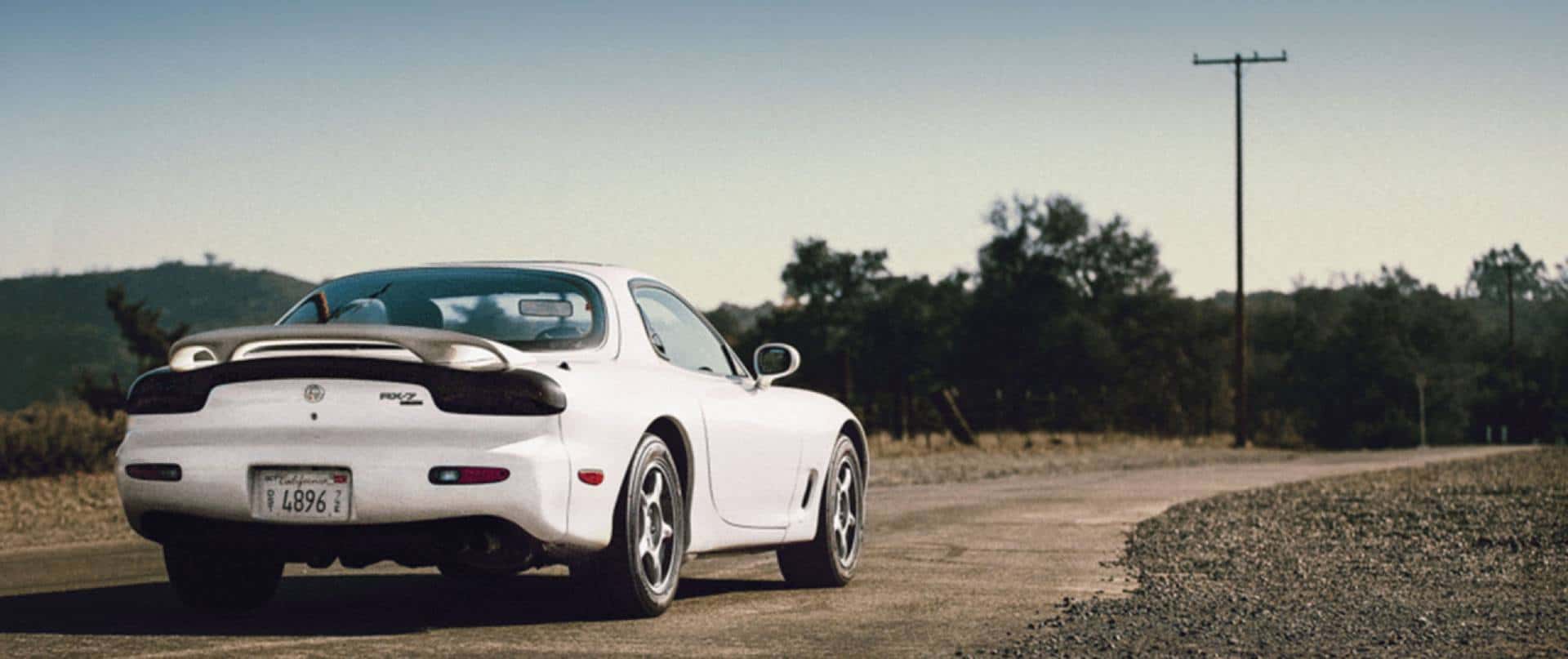
You’ve probably heard rumors that the Mazda RX-7 is banned in the United States. Maybe a friend told you these legendary sports cars are illegal, or you read online that you can’t own one. Let’s clear up the confusion.
The Mazda RX-7 isn’t banned in America. The reality is messier than a simple yes or no answer. Import regulations, emissions standards, and the vehicle’s age all determine whether a specific RX-7 model can be legally owned and driven on U.S. roads. Understanding these rules helps you navigate your options if you’re considering purchasing this iconic Mazda.
At Sport Mazda North, we appreciate the RX-7’s place in automotive history. This article explains the legal landscape surrounding RX-7 ownership, breaks down which generations you can legally buy today, and guides you through the process of acquiring one.
The Truth About Mazda RX-7 Legality in the United States
The Mazda RX-7 isn’t banned, but specific regulations govern which models Americans can legally own. The confusion stems from federal import rules, emissions requirements, and safety standards that affect different RX-7 generations in unique ways.
First and second-generation RX-7 models sold in the United States from 1978 through 1991 are completely legal to own. Mazda officially imported these vehicles, so they already meet federal requirements. You can buy, register, and drive them without any restrictions.
Third-generation RX-7 models are where things get complicated. Mazda sold the FD RX-7 in America from 1993 through 1995, making those model years fully legal. But the Japanese Domestic Market continued receiving updated FD models through 2002. Those later JDM versions weren’t originally sold here, which creates the legal complexity people interpret as a ban.
The key factor is the 25-year import rule. Once any vehicle reaches 25 years of age, it can be imported and registered in the United States without meeting current safety and emissions standards. This means 1999 and earlier JDM RX-7 models are now legal to import and own.
Why People Think the Mazda RX-7 Is Banned
Several misconceptions fuel the belief that the RX-7 is banned in America. Understanding these myths helps separate fact from fiction.
The rotary engine often gets blamed for the supposed ban. This unique powerplant distinguishes the RX-7 from conventional piston-engine sports cars. While the rotary engine’s emissions characteristics posed challenges for meeting stricter environmental standards, this didn’t result in an outright ban. It simply meant Mazda eventually stopped selling newer models in the U.S. market.
Many enthusiasts confuse discontinued sales with legal prohibition. When Mazda stopped importing the RX-7 after 1995, people assumed the car became illegal. The reality? Regulatory compliance became economically impractical for Mazda, leading to the business decision to exit the U.S. market. Existing RX-7 owners could continue driving their cars legally.
Import restrictions on newer JDM models also contribute to confusion. When enthusiasts discovered they couldn’t immediately import 1996-2002 JDM RX-7 models, the narrative shifted toward a “ban.” The truth is that these vehicles simply hadn’t met the 25-year threshold yet.
The 25-Year Import Rule Explained
The National Highway Traffic Safety Administration enforces the 25-year import rule, which fundamentally shapes what foreign-market vehicles Americans can legally own. This regulation allows vehicles manufactured at least 25 years ago to be imported without meeting current Federal Motor Vehicle Safety Standards or Environmental Protection Agency emissions requirements.
This rule exists because regulators recognize that classic and collector vehicles represent a minimal portion of the vehicle fleet. Their environmental impact is negligible compared to millions of newer cars. The rule also preserves automotive heritage by allowing enthusiasts to import historically significant vehicles.
For the Mazda RX-7, this means JDM models become progressively legal each year. A 1998 RX-7 became importable in 2023, a 1999 model in 2024, and 2000 models are eligible now in 2025. Each passing year opens up another model year for legal importation.
Working with reputable importers familiar with NHTSA requirements ensures proper documentation and registration. The process involves proving the vehicle’s age, obtaining proper customs clearance, and meeting individual state registration requirements.
NHTSA Safety and Emissions Standards
Vehicles under 25 years old must comply with both NHTSA safety standards and EPA emissions requirements to be legally imported and registered. These regulations protect American drivers and the environment but create barriers for importing newer foreign-market vehicles.
NHTSA safety standards cover crashworthiness, occupant protection, lighting, and numerous other safety features. Vehicles not originally designed for the U.S. market often require expensive modifications to meet these standards. The cost of converting a single vehicle frequently exceeds what makes economic sense.
EPA emissions standards have become progressively stricter over decades. The RX-7’s rotary engine, while innovative and powerful, produces different emission characteristics than conventional engines. Meeting modern emissions standards would require extensive modifications to the engine and exhaust systems.
The Department of Transportation oversees the broader regulatory framework governing vehicle imports. Understanding these various agencies and their requirements helps clarify why certain RX-7 models face import restrictions while others don’t.
Which Mazda RX-7 Generations Are Legal to Own Today
Three distinct generations of the Mazda RX-7 were produced, each with different legal status for U.S. ownership. This table clarifies which models you can legally buy and register:
| Generation | Years | U.S. Legality Status |
| First Generation (SA/FB) | 1978-1985 | Fully legal; sold in the U.S. |
| Second Generation (FC) | 1986-1991 | Fully legal; sold in the U.S. |
| Third Generation (FD) | 1992-2002 | U.S. models (1993-1995) legal; later JDM models legal only after 25 years (post-2000 models importable in 2025) |
First and Second Generation RX-7s (1978-1991)
The first-generation SA/FB and second-generation FC RX-7 models are completely legal throughout the United States. Mazda officially sold these generations in America, so they already meet federal safety and emissions standards applicable when they were new.
First-generation models from 1978 through 1985 offered an affordable, lightweight sports car that introduced many Americans to rotary engine technology. These vehicles are now classic cars, appreciated for their simple design and driving purity. Finding well-maintained examples takes patience, but their fully legal status means no import complications.
Second-generation FC models from 1986 through 1991 brought refined styling and improved performance. These RX-7s remain popular among enthusiasts who want a classic sports car without the complexity of importing. You’ll find them through private sellers, classic car dealers, and occasionally at general used car dealerships.
Both generations are now old enough that rust, mechanical wear, and modification history become primary concerns rather than legal status. I recommend thorough pre-purchase inspections focusing on the rotary engine’s condition and the vehicle’s maintenance records.
Third Generation FD RX-7 (1992-2002)
The third-generation FD RX-7 represents the pinnacle of rotary-powered sports car design. Its sleek styling, refined handling, and powerful turbocharged engine make it highly sought after. However, legal ownership depends on which specific model year and market version you’re considering.
U.S.-market FD RX-7 models sold from 1993 through 1995 are fully legal. Mazda imported these vehicles specifically for American buyers, ensuring compliance with all applicable regulations. These cars can be purchased, registered, and insured like any other used vehicle.
Japanese Domestic Market FD models from 1992 through 2002 face the 25-year import rule. Models from 1992 through 1999 are now old enough for legal importation. The year 2000 JDM models became eligible in 2025, with each subsequent model year becoming importable annually.
JDM versions often featured higher performance specifications and special editions like the Spirit R and Bathurst R models. These vehicles command premium prices due to their rarity and desirability among collectors. Ensuring proper importation documentation is crucial when buying a JDM RX-7.
How to Legally Buy a Mazda RX-7 in America
Purchasing a Mazda RX-7 legally requires understanding which specific model you want and following the appropriate acquisition process. U.S. market first, second, and third-generation models can be bought like any used car through private sellers, dealerships, or online marketplaces.
Start by researching RX7 value and understanding what these vehicles typically cost in current market conditions. Prices vary dramatically based on generation, condition, mileage, and modification history. Setting a realistic budget prevents disappointment when searching for RX7 for sale near me listings.
For JDM import models, work with established importers who specialize in bringing Japanese vehicles to America. These professionals understand NHTSA requirements, customs procedures, and state registration processes. They handle paperwork, shipping logistics, and ensure your vehicle meets the 25-year threshold.
Verify the vehicle’s production date carefully. Some sellers incorrectly list vehicles by model year rather than actual manufacture date, which matters for the 25-year calculation. Request documentation proving when the specific vehicle was built, not just what model year it represents.
Consider state-specific requirements beyond federal regulations. Some states have additional emissions testing, safety inspections, or registration requirements. Research your state’s rules before committing to a purchase, especially for modified vehicles or JDM imports.
JDM Car Culture in Raleigh-Durham: Where Enthusiasts Source RX-7s
Japanese Domestic Market car culture thrives across America, with communities of enthusiasts passionate about importing and maintaining vehicles like the RX-7. The Raleigh-Durham area exemplifies this vibrant scene, where local car meets, online forums, and social media groups connect people interested in JDM vehicles.
Enthusiasts in these communities share knowledge about reputable importers, maintenance specialists, and parts sources. They provide valuable firsthand experiences about the import process, helping newcomers avoid common pitfalls. Local expertise proves invaluable when navigating complex regulations and finding quality vehicles.
These regional communities also connect owners with skilled technicians who understand rotary engines and JDM vehicle quirks. Finding mechanics familiar with the RX-7’s unique maintenance requirements is essential for long-term ownership satisfaction.
Car culture events showcase everything from pristine stock examples to heavily modified builds. These gatherings provide opportunities to inspect different RX-7 generations, speak with owners about their experiences, and develop relationships within the enthusiast community.
Key Considerations Before Buying a Mazda RX-7
The RX-7’s rotary engine requires specialized knowledge and maintenance practices different from conventional piston engines. Understanding these unique requirements prevents costly mistakes and ensures reliable operation. Regular oil changes, proper cooling system maintenance, and using recommended fluids are critical.
Parts availability varies significantly between generations. First and second-generation models share many components with other Mazda vehicles, making routine maintenance parts relatively accessible. Third-generation FD models, particularly JDM versions, may require sourcing specialty parts from Japan or aftermarket suppliers.
Maintenance history matters enormously with rotary engines. These powerplants can be durable when properly maintained but suffer catastrophic failure when neglected. Always request complete service records and consider having a rotary specialist inspect the engine before purchasing.
Insurance costs for performance vehicles like the RX-7 can be significant, especially for younger drivers or modified examples. Obtain insurance quotes before committing to a purchase to avoid budget surprises. Some specialty insurers offer better rates for collector vehicles with limited mileage.
Consider your mechanical skill level and access to qualified service. The RX-7 rewards hands-on owners who enjoy working on their vehicles, but inexperienced buyers should budget for professional maintenance from rotary specialists.
Explore Pre-Owned Mazda Models at Sport Mazda North
While the Mazda RX-7 holds a special place in automotive history, we at Sport Mazda North offer an extensive selection of pre-owned Mazda vehicles that deliver the performance, reliability, and style today’s drivers demand. Our inventory includes well-maintained crossovers, sedans, and other models from Mazda and multiple other manufacturers.
We serve North Orlando and Central Florida drivers from our convenient Longwood location at 400 N US Highway 17-92. Whether you’re searching for a practical daily driver or an engaging weekend vehicle, our knowledgeable team helps you find the right match for your needs and budget.
Our full-service facility maintains and repairs most makes and models, providing expert care for your vehicle long after purchase. We understand Mazda’s engineering philosophy and carry genuine Mazda parts alongside a broad selection of quality aftermarket components.
Visit Sport Mazda North to explore our current pre-owned inventory, schedule a test drive, or speak with our team about your automotive needs. Contact us at 321-300-7266 or stop by during our sales hours: Monday through Saturday, 9:00 AM to 8:00 PM, and Sunday, 12:00 PM to 5:00 PM.
The Mazda RX-7 isn’t banned in America. Understanding import regulations, generation-specific legality, and proper acquisition processes allows enthusiasts to legally own these iconic sports cars. Whether you’re pursuing a classic first-generation model or a sought-after JDM third-generation variant, knowledge of the rules ensures a smooth ownership experience.
0 comment(s) so far on Is the Mazda RX-7 Banned in the United States?